Introduction to Qi Gong in Bali
As the interest in holistic health and wellness continues to rise, many individuals are discovering the transformative power of Qi Gong. In Bali, a destination renowned for its serene landscapes and vibrant culture, Qi Gong offers a unique blend of physical exercise, breathing techniques, and meditative practices that can tremendously enhance one's overall well-being. Whether you are a novice or an experienced practitioner, the tranquil atmosphere of Bali provides an ideal setting to deepen your practice. When exploring options, Qi Gong Bali offers comprehensive insights into the available retreats and programs.
What is Qi Gong?
Qi Gong, a traditional Chinese discipline, encompasses a range of practices that focus on cultivating and balancing the body’s vital energy or "Qi". This ancient practice combines gentle movements, controlled breathing, and focused intention, resulting in a holistic approach to health. Qi Gong can be practiced to improve physical health, enhance mental clarity, and foster emotional balance. Each exercise or form can be adapted according to individual needs, making it accessible to people of all ages and fitness levels.
The History and Cultural Significance in Bali
While Qi Gong has its roots in China, it has found a welcoming home in Bali, where spiritual practices are deeply intertwined with daily life. The integration of Qi Gong into the Balinese wellness culture emphasizes harmony, healing, and connection to nature. Many practitioners in Bali draw from the island's rich spiritual heritage, blending Qi Gong with other local healing traditions, such as traditional Balinese massage and meditation, creating a unique and enriching experience for participants.
Benefits of Practicing Qi Gong
Practicing Qi Gong regularly can have profound effects on both physical and mental health. Some of the prominent benefits include:
- Stress Reduction: The meditative aspects of Qi Gong help in alleviating stress and promoting relaxation.
- Enhanced Flexibility and Strength: The gentle movements improve musculoskeletal flexibility and overall strength.
- Improved Balance and Coordination: Regular practice enhances proprioception, reducing the risk of falls.
- Boosted Immune System: Qi Gong is known to enhance overall vitality and immune function.
- Mental Clarity: The focus required during practice aids in improving concentration and cognitive function.
Finding the Right Qi Gong Retreat in Bali
Bali is home to numerous retreats that focus on Qi Gong, offering various programs tailored to different skill levels and health goals. With the stunning backdrop of lush landscapes and calming beaches, finding the right retreat can set the stage for a transformative experience.
Top Rated Qi Gong Retreats
When searching for a Qi Gong retreat in Bali, several highly-rated options stand out:
- Forest Rock Qi Gong: Known for its immersive training programs, combining Qi Gong with Traditional Chinese Medicine principles.
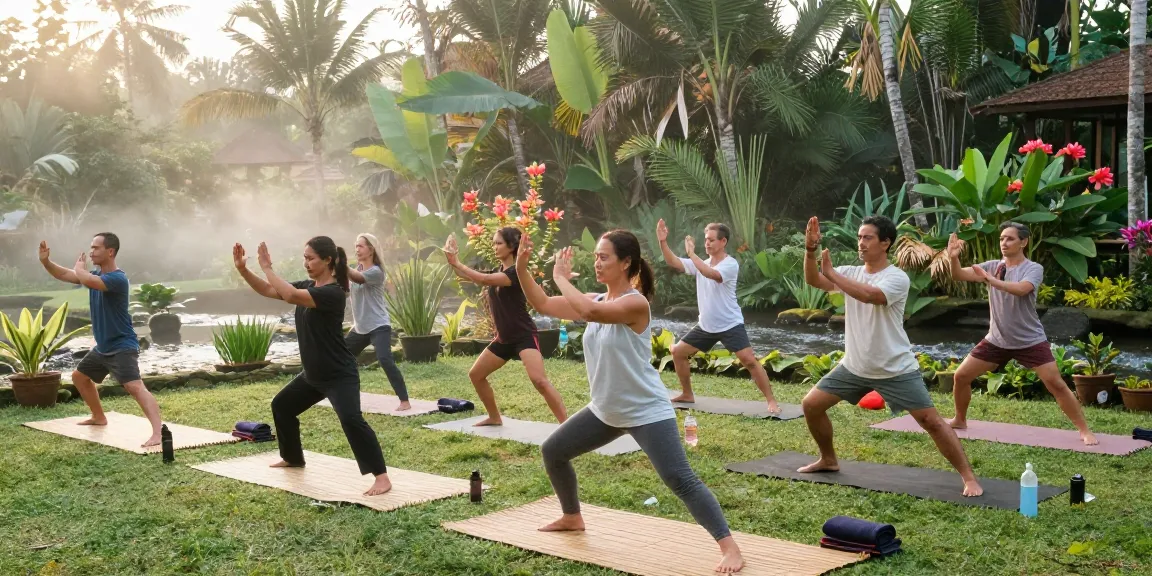
- AYANA Wellness Retreat: Offers morning Qi Gong sessions in a tranquil tropical garden setting, perfect for energizing the day.
- Bali Purnati: Features specialized Qi Gong workshops focusing on longevity and holistic well-being.
What to Expect during a Retreat
Each retreat typically includes a mix of guided Qi Gong sessions, meditation practices, and time for self-reflection. Participants can expect to engage in daily movement and breathing exercises, often supplemented with workshops on topics such as mindfulness or traditional diet. Meals are generally catered to promote health and wellness, often featuring fresh, local ingredients.
How to Choose the Best Program for Your Needs
When selecting a Qi Gong retreat, consider the following factors:
- Your Skill Level: Look for programs that cater to your experience, whether you’re a beginner or an advanced practitioner.
- Retreat Duration: Determine how much time you can dedicate; some retreats last several days, while others may extend for weeks.
- Instructor Credentials: Research the qualifications and teaching styles of the instructors.
- Physical Ambiance: Choose a retreat that aligns with your aesthetic preference, whether it be beachfront, jungle, or urban setting.
Key Techniques and Practices in Qi Gong
Delving deeper into Qi Gong, practitioners will find a variety of techniques designed to enhance energy flow and physical well-being.
Breathing Techniques for Optimal Energy Flow
Breath is a central component of Qi Gong. Techniques such as abdominal breathing or "diaphragmatic breathing" help practitioners connect with their internal energy. Learning how to control the breath not only calms the mind but also improves the flow of Qi throughout the body.
Movement Patterns to Enhance Flexibility and Strength
Distinct movement patterns in Qi Gong, such as 'The 8 Pieces of Brocade', involve gentle stretching and dynamic forms that build strength over time. Regular practice of these forms can lead to improved flexibility and endurance, benefiting physical and mental health.
Mindfulness and Meditation Practices in Qi Gong
The meditative aspects of Qi Gong foster a state of mindfulness, allowing practitioners to cultivate awareness of the present moment. Meditation techniques often involve visualization and affirmation, strengthening the intention behind each practice.
Challenges and Solutions for Practicing Qi Gong
While Qi Gong offers numerous benefits, some practitioners may encounter challenges in their journey.
Common Misconceptions about Qi Gong Practices
A frequent misconception is that Qi Gong is solely for the elderly or those with health issues. In reality, Qi Gong is suitable for individuals of all ages and fitness levels, and many young practitioners find it enhances their sports performance and stress management.
Overcoming Physical Limitations
For those with mobility issues, certain Qi Gong forms can be modified or practiced while seated. This adaptability allows individuals to benefit from the practice regardless of their physical condition.
Integrating Qi Gong into Daily Life
Integrating Qi Gong into daily routines can be achieved by setting aside just 10 to 15 minutes each day for practice. Simple exercises can be performed at home or at work, allowing practitioners to reap benefits even with a busy schedule.
The Future of Qi Gong in Bali: Trends and Predictions
The future looks promising for Qi Gong in Bali, with a growing recognition of wellness practices among both residents and tourists.
Emerging Trends in Wellness Retreats
As the wellness tourism sector continues to flourish, more retreats are emerging that combine Qi Gong with holistic therapies, nutrition workshops, and mindfulness training, creating comprehensive wellness experiences.
How Technology is Influencing Qi Gong Practices
Technology is playing a role in the evolution of Qi Gong, with online classes and virtual workshops making these practices more accessible than ever. Mobile applications and online platforms provide resources for practitioners to continue their learning at home.
Looking Ahead: The Evolution of Qi Gong in 2026
By 2026, expect to see increased collaborations between Western medical practices and Qi Gong, as more healthcare professionals recognize the benefits of holistic approaches to health management. This integration will likely foster a more significant societal shift towards valuing preventive health measures and wellness practices.
What is the best time to visit Bali for Qi Gong?
The ideal time to visit Bali for Qi Gong retreats is during the dry season, from April to October, when the weather is pleasant and conducive for outdoor practices.
Can anyone practice Qi Gong?
Yes, Qi Gong is a versatile practice, accessible to people of all ages, genders, and fitness levels, making it an excellent choice for anyone seeking to improve their well-being.
What are the health benefits of Qi Gong?
The health benefits of Qi Gong are extensive, including reduced stress, improved flexibility, enhanced mental clarity, and a stronger immune system.
Are there certifications for Qi Gong instructors?
Yes, numerous organizations offer certifications for Qi Gong instructors, ensuring that they have the necessary knowledge and skills to teach effectively.
How does Qi Gong compare to Tai Chi?
While both Qi Gong and Tai Chi share similar philosophies and origins in Chinese culture, Qi Gong primarily focuses on breathing and meditation, whereas Tai Chi incorporates martial arts movements into its practice.